
Rooter Experts Blog
Common Causes of Sink Clogs Explained In New Jersey
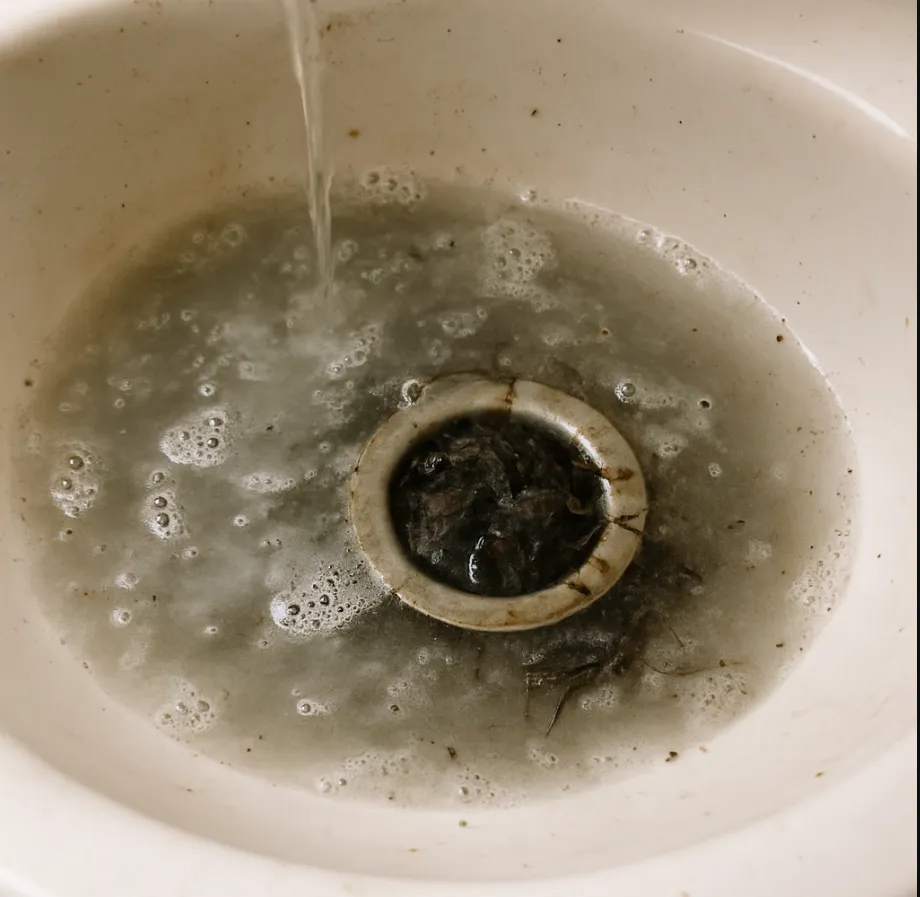
A sink that won’t drain stops your whole routine — dishes pile up, or the bathroom fills with standing water and a foul smell. The fix depends on two things: which sink it is and where the clog actually sits. Kitchen and bathroom sinks clog for very different reasons, and most clogs are closer than you think.
Kitchen sink clogs: grease, food, and the P-trap
By far the most common call we get is some version of “my kitchen sink won’t drain” or “kitchen sink is badly clogged.” In the kitchen, the usual culprits are:
- Grease and cooking oil. Poured down warm, they cool and harden inside the pipe, then catch every food particle that follows. This is the #1 cause of kitchen drain failure.
- Food debris. Coffee grounds, rice, pasta, peelings, and starches swell and pack together — garbage disposals don’t change that.
- Soap and detergent film that binds the rest into a plug.
Most kitchen clogs form in the P-trap (the U-shaped pipe under the sink) or just past it. If water drains slowly from both basins of a double sink, the blockage is usually downstream of the trap.
What you can safely try: Clear the strainer, then plunge with a cup plunger (block the second basin first). If that fails, place a bucket under the P-trap, unscrew it, and clean it out — a surprising number of clogs are right there. If the line is still blocked past the trap, you need a drain snake, not chemicals.
Never pour grease down the drain. Let it cool and throw it out. A sink strainer catches the rest.
Bathroom sink clogs: hair, soap scum, and odors
Bathroom sinks clog more slowly and predictably:
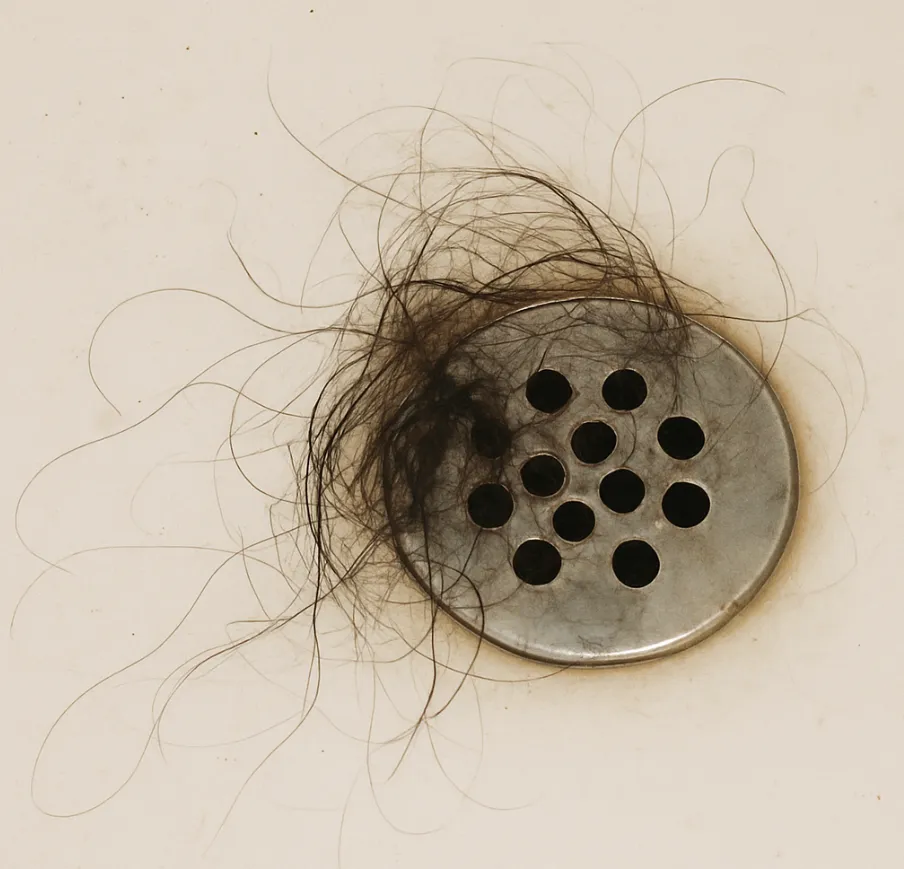
- Hair binds with soap scum into tough tangles around the stopper and trap.
- Toothpaste and product residue add to the buildup.
- A foul smell from the bathroom sink — a frequent complaint — usually means decaying buildup in the trap, or a trap that has dried out and is letting sewer gas through.
What you can safely try: Remove and clean the pop-up stopper (most lift or twist out) — it’s often wrapped in hair. Then plunge, or use a plastic hair-removal strip in the drain. Run hot water afterward to flush loosened residue.
Causes that affect both sinks
- Hard-water mineral scale. North Jersey’s hard water leaves deposits that narrow pipes over years and slow every drain in the house. Persistent, whole-home slow drainage may call for a water softener or a professional descaling.
- Foreign objects. Jewelry, bottle caps, and small toys lodge in the trap and catch everything else — a common reason a sink suddenly stops draining.
- A clog “past the P-trap.” When a homeowner tells us “the clog is past the P-trap,” the blockage is deeper in the branch or stack line. That’s beyond a plunger and needs a proper drain auger run by someone who won’t damage the pipe.
How to prevent sink clogs
Good habits prevent almost all of them:
- Use a strainer in every sink and empty it into the trash.
- Never pour grease, oil, or starchy water down the kitchen drain.
- Rinse with hot water for a few seconds after heavy use to keep soap and grease moving.
- Clean the P-trap and pop-up stopper a couple of times a year before they clog.
- Skip chemical drain cleaners for routine maintenance — they can corrode older pipes and rarely remove buildup, they just bore a hole through it. See are chemical drain cleaners bad for pipes for why.
When to call a professional
DIY handles most single-sink clogs. Call a plumber when you see:
- A kitchen sink that won’t drain even after you’ve cleaned the P-trap and plunged it.
- A clog past the P-trap that a hand snake won’t reach.
- Recurring clogs in the same sink every few weeks.
- A broken or disconnected drain under the sink, or a leak when the sink drains.
- Multiple fixtures backing up at once — that points to the main line, not the sink. Start with our main sewer line clog symptoms guide.
For stubborn or recurring blockages, professional drain cleaning clears the line completely and (when needed) uses a camera to find the real cause instead of guessing.
The bottom line
Sink clogs are common but very preventable. Strainers, no grease down the drain, and the occasional P-trap cleaning keep most sinks flowing. When a sink won’t clear, the blockage is deeper, or several drains act up together, Rooter Experts and Drain Cleaning can help.
Rooter Experts and Drain Cleaning · 74 Bruno St, Moonachie, NJ 07074 · Call (201) 583-4778 · Get a free quote