
Rooter Experts Blog
What is the Best Liquid Drain Cleaner
The best liquid drain cleaner for routine maintenance is a bio-enzymatic cleaner, as it safely digests organic waste without damaging pipes. However, for immediate, tough clogs, an alkaline (caustic) opener is the safer chemical choice over acid. While retail products can help minor slow drains, mechanical clearing (snaking) is usually the most reliable way to resolve a full blockage without risking expensive damage to the older plumbing systems standard in Northern New Jersey.
When water starts backing up in your sink or shower, panic sets in. You want a fast fix. But before you pour a jug of harsh chemicals down your pipes, you need to understand the risks. As Rooter Service NJ, we have seen countless pipes ruined by the wrong chemicals. This guide explains what works, what is safe, and when to call a pro.
What is the best liquid drain cleaner?
The best liquid drain cleaner depends entirely on what is causing the clog and the type of pipes you have. For grease and soap scum, a caustic liquid cleaner containing lye (sodium hydroxide) is best. For maintenance and odor control, an eco-friendly liquid drain cleaner (enzyme-based) is superior. For hair clogs, specialized gels are required. However, there is no single “magic bottle” that solves every problem safely. In fact, using the wrong chemical in a completely blocked drain can leave you with a sink full of toxic sludge, making the eventual repair more dangerous and expensive.
How Liquid Drain Cleaners Work (and Why It Matters)
Liquid drain cleaners work by triggering a chemical reaction that generates heat or by eating away organic material to dislodge a blockage. Understanding the chemistry helps you choose the best liquid drain cleaner for clogs without destroying your home.
There are three main categories of cleaners:
- Caustic Cleaners (Alkaline): These use sodium hydroxide (lye). They are heavier than water, so they sink to the clog. They work best as liquid drain cleaners for grease because they convert the grease into a soap-like substance that dissolves.
- Oxidizing Cleaners: These usually contain bleach and nitrates. They work by causing organic material (like food or hair) to lose electrons and break down.
- Acid Cleaners: These typically contain sulfuric acid or hydrochloric acid. While they are the strongest liquid drain cleaner options available, they are also the most dangerous. They can melt PVC and eat through the cast-iron pipes found in many older New Jersey homes.
Professional Note: If you hear bubbling or see smoke coming from your drain after using a product, that is a chemical reaction generating intense heat. In old ceramic toilets or brittle pipes, this heat can crack the fixture immediately.
Choosing the Best Liquid Drain Cleaner for Specific Areas
Best Liquid Drain Cleaner for Sinks (Kitchen vs. Bathroom)
The best liquid drain cleaner for sinks depends on whether the clog is grease-based (kitchen) or hair-based (bathroom).
- Kitchen drains: For grease, an alkaline (caustic) cleaner works better than acid — grease and fat harden in cold NJ winters, and an alkaline cleaner reacts with the fat to break it down. Avoid acid cleaners here. For anything beyond a minor slow drain, mechanical clearing is the safer fix.
- Bathroom Sinks: You need a product designed to dissolve keratin (hair). Look for gel-based oxidizing cleaners that cling to the obstruction long enough to dissolve it.
Best Liquid Drain Cleaner for Toilets
There is technically no safe liquid drain cleaner for toilets, and you should strictly avoid using chemical openers in them.
Toilets have a complex trap design (the S-shape) and are made of vitreous china (ceramic). Chemical drain cleaners generate heat (exothermic reaction). This rapid heat shift can crack the porcelain bowl, causing a flood of sewage water. Furthermore, chemicals rarely reach the actual clog beyond the toilet trap. If you have a toilet clog, use a plunger or a closet auger. If that fails, you need Emergency Plumbing Services.
Best Liquid Drain Cleaner for Showers and Tubs
The best liquid drain cleaner for showers is a high-viscosity gel specifically labeled for hair and soap scum removal.
Shower drains are almost exclusively clogged by hair and soap residue. A thin liquid will simply flow past the hairball. A thick gel sits atop the hair, slowly breaking down the protein structure.
Risks of Liquid Drain Cleaners in NJ Homes
The primary risks of liquid drain cleaners are pipe corrosion, chemical burns, and environmental damage.
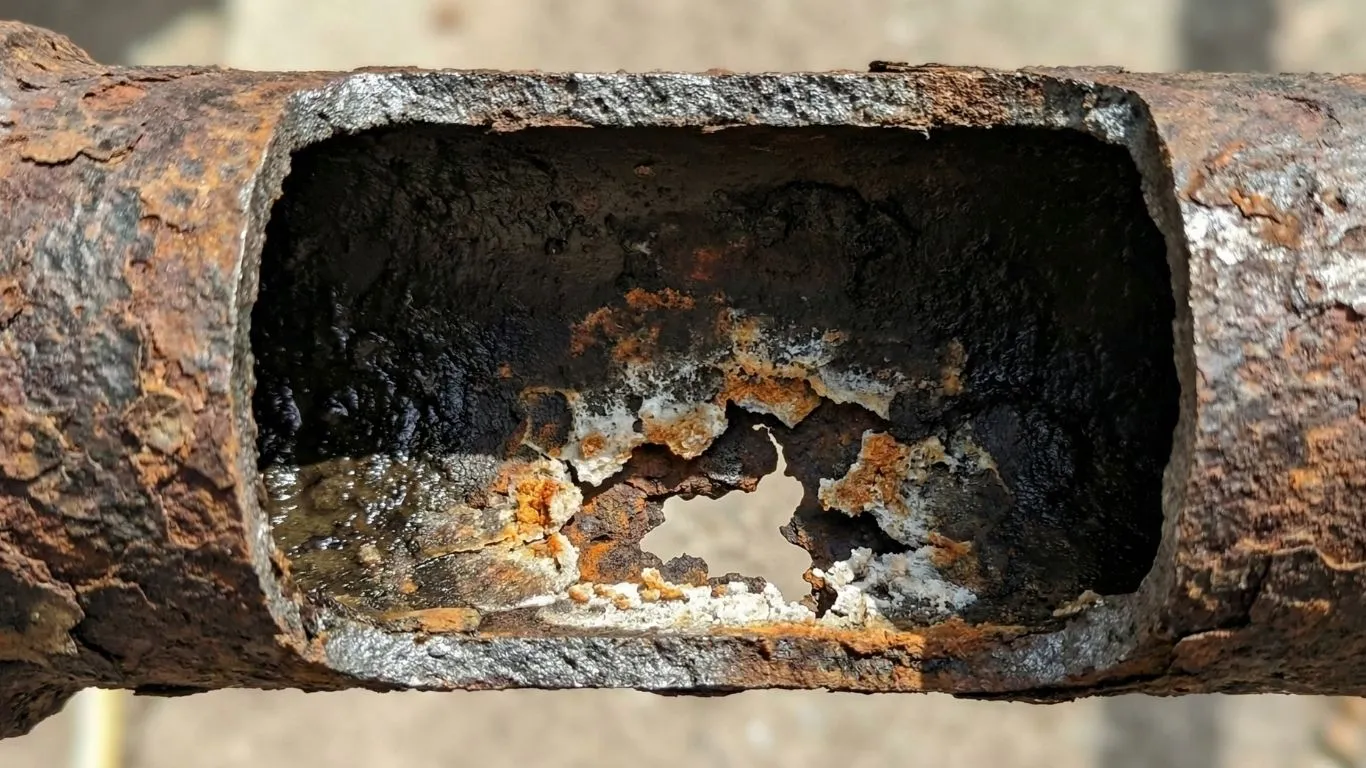
Risks of Liquid Drain Cleaners
New Jersey has a high concentration of homes built before 1970. These homes often rely on cast iron, galvanized steel, or even Orangeburg (tar paper) sewer lines.
- Corrosion: Acidic cleaners eat away at the metal from the inside out. If your pipes are already thinning due to age, a “strong” cleaner can punch a hole right through the bottom.
- The “Glop” Factor: Sometimes, debates over chemical drain cleaner vs. enzyme cleaner miss a key point. Chemical cleaners can turn grease into a hard, soap-like solid further down the line, turning a soft clog into a hard blockage.
- Septic Health: If you are on a septic system (standard in parts of Northern NJ), harsh chemicals kill the good bacteria needed to break down waste, leading to expensive system failure.
If you are worried about the condition of your pipes, we recommend a Drain Cleaning Service that utilizes camera inspection rather than blind chemical pouring.
Comparison: Chemical vs. Enzyme vs. Mechanical
Mechanical methods (snaking/jetting) are superior to chemicals for clearing blockages, while enzymes are best for prevention.
Here is a breakdown of how different methods compare for NJ homeowners:
| Method | Best for | Effectiveness | Safety for old pipes | Speed |
|---|---|---|---|---|
| Enzymatic cleaner | Maintenance & odors | Low (slow acting) | High (very safe) | Slow (overnight) |
| Caustic (lye) cleaner | Grease & soap scum | Medium | Moderate | Fast (15–30 min) |
| Acid cleaner | Organic & paper | High | Low (dangerous) | Very fast |
| Professional snaking | Fixture or branch-line blockages | High | Generally safe when used correctly | Immediate |
| Hydro jetting | Roots, grease, sludge, recurring main-line clogs | Very high (when appropriate) | Requires camera check first | Same visit in many cases |
If you are looking for a safe liquid drain cleaner for pipes, stick to enzymatic options or baking soda and vinegar mixtures. If you need a fast-acting liquid drain cleaner, understand that you are trading speed for the risk of pipe damage.
Professional Insight: The “Soft Clog” Trap
Chemical drain cleaners often punch a small tunnel through a clog without removing the debris, leading to a recurrence of the issue within days.
In our 18+ years serving Bergen County, we often arrive at homes where the owner says, “I used the strongest liquid drain cleaner I could find, and it worked for a day, but now it’s backed up again.”
This happens because the chemical liquid creates a small channel for water to flow through, while the sticky sludge remains on the pipe walls. As soon as you rinse more hair or grease down, it catches on the remaining gunk, and the drain closes up again.
Expert Tip: If you have poured chemicals down a drain and it still won’t drain, do not plunge it. Plunging can splash the caustic chemicals back up onto your skin or into your eyes. If chemicals fail, call for 24/7 Emergency Response and inform the plumber immediately that you used chemicals so they can wear protective gear.
FAQ About Best Liquid Drain Cleaner
What is the strongest liquid drain cleaner available?
The strongest liquid drain cleaner available to consumers is usually sulfuric acid-based, but it is hazardous. While it rapidly dissolves organic matter, it releases toxic fumes and can melt plastic piping or corrode steel. It should be considered a last resort, if used at all.
Is there a liquid drain cleaner for hair clogs that actually works?
Yes, products containing sodium hydroxide and sodium hypochlorite (bleach) are best for hair. You need a high-density gel formula. The gel weighs down through standing water to reach the hair mass and dissolve the proteins.
What is the best eco friendly liquid drain cleaner?
Bio-enzymatic cleaners are the best eco-friendly option. These use bacteria to eat organic waste. They are not fast-acting, so they won’t fix a total backup instantly, but they are excellent for preventing clogs and are safe for the environment and septic systems.
Can I use liquid drain cleaner for kitchen drains with a garbage disposal?
You should avoid harsh chemicals in drains with garbage disposals. Strong acids or caustics can corrode the metal blades and seals inside the disposal unit, leading to leaks and mechanical failure. Use ice cubes and lemon peels for cleaning, or a specific disposal-safe enzymatic cleaner.
Why do plumbers hate liquid drain cleaners?
Plumbers dislike liquid drain cleaners because they damage pipes and make the work environment dangerous. When we snake a drain full of acid, it burns our equipment and risks spraying hazardous liquid on our technicians. Furthermore, chemicals rarely solve the root cause, such as tree roots or collapsed lines.
What is the best liquid drain cleaner for grease?
Alkaline (base) cleaners are the best for grease. Acid cleaners are far less effective on grease than alkaline ones. Alkaline cleaners trigger saponification, turning the grease into a soapy liquid that can be flushed away with hot water.
Conclusion
Finding the best liquid drain cleaner is a balancing act between effectiveness and safety. For routine maintenance, use an eco friendly liquid drain cleaner. For minor clogs, a gel-based caustic cleaner may help. However, for the stubborn, recurring clogs common in New Jersey, chemicals are often a temporary bandage on a larger problem.
Don’t risk melting your pipes or suffering a chemical burn. If the water isn’t going down, trust the experts who know NJ plumbing inside and out.
Need a lasting fix? We offer same-day plumbing services in NJ. Contact Rooter Experts and Drain Cleaning today.