
If floodwater reached your water heater, do not restart it just because the basement has drained. Arrange an inspection before reuse. PSE&G’s flood safety guidance warns that water exposure can damage a water heater’s electronic controls and cause overheating if you try to use it.
If standing water remains, stay out of the basement and do not touch appliances surrounded by water. If you smell gas, leave first and call from a safe distance. PSE&G customers can call its gas emergency line at 1-800-880-7734; you can also call 911. A suspected gas emergency should not wait for a plumbing appointment.
Handle electrical hazards before approaching the heater
A gas water heater does not make a flooded basement free of electrical danger. Nearby circuits and equipment may also have gotten wet.
The CDC’s electrical hazard guidance says to turn off power at the main breaker or fuse when electrical circuits or equipment have gotten wet or are in or near water. However, do not enter standing water to reach that switch. Call an electrician to turn it off if safe access is not possible.
Never turn power on or off yourself, or use an electric appliance, while standing in water. Stay away from a breaker box in a flooded basement. If you believe someone has suffered an electric shock, do not touch them while they may still be connected to the electrical source; call 911 immediately.
For related guidance, see what to do when basement water is near an electrical outlet.
A dry floor is not clearance to restart
Receding water tells you that the flooding has eased. It does not tell you whether the heater’s controls or nearby electrical equipment are safe.
PSE&G says water-exposed appliances can short out and become a fire hazard. They should be replaced or inspected before anyone attempts to use them. Its warning specifically includes possible control damage and overheating in water heaters.
The CDC also requires inspection by a qualified electrician before power is restored to affected electrical equipment. Equipment and appliances must be completely dry before returning to service. Drying is therefore a requirement, not a substitute for inspection.
Do not use a reset, relight or trial run as a way to decide whether the heater survived the flood. The decision about reuse should come from the inspection, not from whether the heater starts.
Check gas restoration and town requirements
If natural gas was shut off at the meter, do not turn it back on yourself. PSE&G states this explicitly in its instructions for after floodwaters recede.
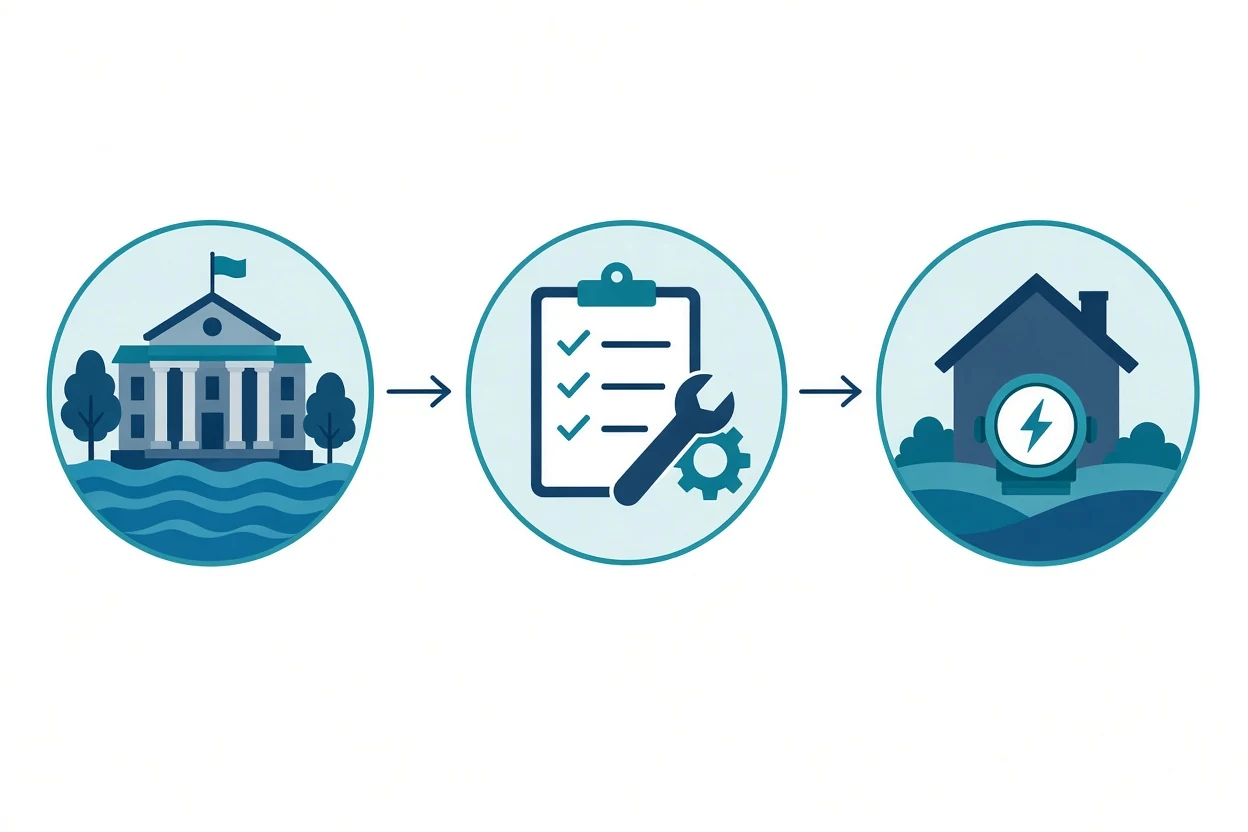
Once water has been cleared from your home, contact your town or municipality to ask whether an inspection is required before gas or electric service can be restored. Requirements may vary by municipality.
For PSE&G customers, its guidance calls for contractor repairs when an inspector finds damage to electrical facilities, any required re-inspection, and then contact with PSE&G to restore service after the building passes inspection. Utility restoration and clearance to reuse a water-exposed appliance are separate questions; ask about both.
Arrange the water heater assessment
Rooter Experts Drain Cleaning offers water heater repair, installation and replacement services in Northern New Jersey, including Moonachie, Hackensack and Clifton. Provide your town when requesting a post-flood plumbing assessment.
Share what you already know without entering a hazardous area:
- Whether the heater is gas or electric, if known.
- Whether water reached it and the highest water level you already observed.
- Whether gas or power was shut off, and by whom.
- Any inspection or utility instructions you have received.
Ask whether inspection supports reuse or whether replacement is needed, and who must handle any separate electrical inspection or utility restoration. Do not assume that a plumbing visit includes those steps.
Talk with Rooter Experts
Call Rooter Experts at (201) 583-4778 for plumbing or drain service in Northern New Jersey.