Rooter Experts Blog
How Much Does Roto Rooter Charge for Drain Cleaning
Water backing up in your kitchen sink right before dinner guests arrive? Roto-Rooter drain cleaning typically costs between $200 to $600 for standard service calls, but that range doesn’t tell the whole story. As a licensed plumber serving Bergen and Passaic Counties for over 15 years, we’ve seen homeowners pay anywhere from $150 to $1,200+ depending on six critical factors most people don’t know to ask about.
You’re stressed, you need help fast, and you deserve transparent answers before anyone shows up at your door. This guide breaks down exactly what drives drain-cleaning costs from national franchises like Roto-Rooter to local, owner-operated services so you can make an informed decision when your home’s plumbing fails.
What Is Roto-Rooter Drain Cleaning and How Does Pricing Work?
Roto-Rooter is a national plumbing franchise that offers emergency drain-cleaning services using cable-snaking and hydro-jetting equipment. Their pricing model combines a base service call fee (typically $100-$200) with additional charges based on problem severity, service time, and location. Unlike fixed-rate services, Roto-Rooter pricing can vary significantly between franchise locations, even within the same county in New Jersey.
The company uses a tiered pricing structure in which simple clogs (such as a P-trap blockage) cost less than complex issues that require camera inspection or main sewer line cleaning.
6 Factors That Affect Roto-Rooter Drain Cleaning Prices
1. Type of Clog and Location in Your Plumbing System
Not all clogs cost the same to clear. A kitchen sink P-trap blockage can be cleared in 15 minutes with a basic cable snake. A main sewer line obstruction 60 feet from your house? That’s a different situation entirely.
Simple drain clogs (bathroom sinks, tubs, toilets):
- Cable snaking: $150-$300
- Typical time: 30-60 minutes
- Common in homes with hair, soap buildup, or small objects
Main sewer line blockages:
- Cable snaking: $350-$600
- Hydro-jetting: $500-$1,200+
- Typical time: 1-3 hours
- Common in Northern NJ homes with tree root intrusion or cast iron pipe deterioration
In the 200+camera inspections we’ve performed in Bergen County, homes built between 1950-1980 frequently have mainline issues due to aging cast-iron pipes that have corroded from the inside out, something you can’t see without professional diagnostics.
2. Emergency vs. Scheduled Service Timing
Here’s what most homeowners don’t realize: emergency service calls typically cost 1.5 to 2 times the standard rate.
- Standard hours (Monday-Friday, 8 AM - 5 PM): Base rates apply
- After-hours (evenings, weekends): +$50 to $150 upcharge
- Holiday emergencies: +$100 to $200+ additional
If your basement is flooding at 2 AM on a Sunday, you’ll pay premium rates—but sometimes waiting isn’t an option. The key question: Is this a genuine emergency (active sewage backup, water damage occurring now) or can it wait until morning?
3. Required Equipment and Method
The cleaning method dramatically affects costs because different problems require different tools.
Cable Snaking (Mechanical Auger):
- Cost range: $150-$400
- Best for: Simple clogs, single-fixture blockages
- How it works: Rotating the metal cable breaks through the obstruction
- Limitation: Doesn’t clean pipe walls, clogs may return
Hydro-Jetting:
- Cost range: $400-$1,200+
- Best for: Severe buildup, grease, tree roots, recurring clogs
- How it works: 3,000+ PSI water pressure scours pipes clean
- Advantage: Removes years of buildup, longer-lasting results
After 15 years responding to emergency calls in Northern NJ, I’ve found that homes with mature trees (oak, maple, willow) within 20 feet of sewer lines almost always need hydro-jetting rather than snaking roots grow back within months if you just punch through them.
4. Pipe Material, Age, and Accessibility
Your home’s plumbing infrastructure affects both the difficulty and cost of service.
Pipe Material Matters:
- Cast iron pipes (common in pre-1975 NJ homes): More delicate, prone to cracking, requires careful technique
- PVC piping (post-1980s): Durable, easier to clean, less likely to break during service
- Clay sewer lines (pre-1950s homes): Fragile, often require camera inspection first
Accessibility Challenges:
- Cleanout access available: Standard pricing
- No cleanout (must access through toilet or roof vent): +$50-$150
- Buried or obstructed cleanout: +$100-$300
In Moonachie, Ridgewood, and older sections of Wayne, I regularly encounter 1960s-era homes where the main cleanout is buried under landscaping or a deck addition—locating it adds time and cost.
5. Camera Inspection and Diagnostic Requirements
Camera inspection costs $200-$400 on average but provides critical information that prevents expensive mistakes.
Why camera diagnostics matter:
- Identifies the exact problem location and cause
- Reveals pipe condition (cracks, offsets, bellied sections)
- Prevents unnecessary digging or a wrong repair approach
- Provides video proof of the issue
Many national franchises push camera inspections even for simple clogs, which is upselling. But for recurring problems or suspected main line issues? It’s essential. As a licensed NJ plumber, I personally review every camera inspection with homeowners before recommending any solution. You should see what I see.
6. Geographic Location and Franchise vs. Local Pricing
Roto-Rooter pricing varies by franchise territory. Bergen County rates differ from Passaic County rates, even though they’re adjacent. Franchise overhead (national advertising, brand fees, call center operations) typically adds 20-40% to base service costs compared to local, owner-operated companies.
Northern NJ specific factors:
- Higher cost of living = higher labor rates
- Older housing stock = more complex issues
- Dense suburban areas = easier access than rural properties
- Clay soil conditions = increased root intrusion issues
Roto-Rooter Pricing vs. Local Plumbing Services: What’s the Difference?
Factor
National Franchise (Roto-Rooter)
Local Owner-Operated Service
Base Service Call
$100-$200
$0-$100 (often waived if work performed)
Simple Drain Snaking
$200-$400
$150-$300
Main Line Cleaning
$400-$800
$300-$600
Hydro-Jetting
$600-$1,200+
$400-$900
Emergency Upcharge
1.5-2x standard rate
1.25-1.5x standard rate
Owner Involvement
Franchise employee
Owner often on-site
Transparency
Variable by location
Typically more upfront
Upselling Pressure
Can be high
Generally lower
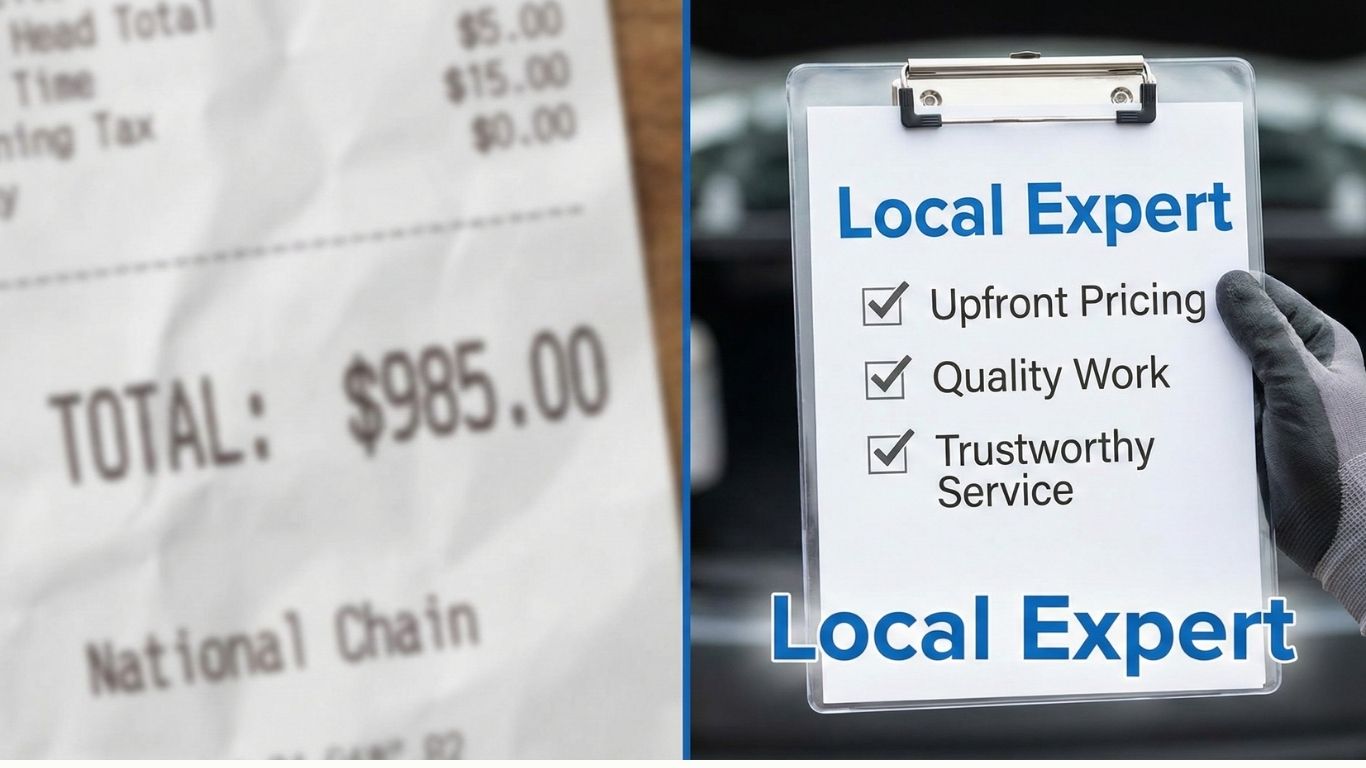
National Franchise vs Local Owner Operated Service Cost
What You Should Expect to Pay in New Jersey
Based on current market rates in Bergen and Passaic Counties:
Kitchen or bathroom sink clog: $175-$325 Toilet clog (simple): $150-$275 Main sewer line snake: $350-$650 Main sewer line hydro-jet: $450-$1,000 Camera inspection: $200-$350 (should be applied to service cost if you proceed) Emergency weekend/holiday: Add $100-$200 to above rates
These ranges reflect what you should pay for honest, licensed plumbing service in NJ, not the inflated estimates some national chains quote after they’re already at your door.
Warning Signs You’re Being Overcharged
Red flags to watch for:
- Quotes that jump significantly after arrival (“It’s more complicated than we thought”)
- Pressure to schedule immediately without explaining the problem
- No itemized pricing breakdown
- Pushing camera inspection for obvious, simple clogs
- Recommending full pipe replacement for minor issues
- No mention of licensing or insurance
- “Today only” discount pressure tactics
Green flags of honest service:
- Clear explanation of the problem before quoting
- Camera footage is shown and explained if an inspection is performed
- Itemized pricing with options (not just the most expensive solution)
- Licensed plumber badge or truck identification
- Willingness to show you the clog that was removed
- Discussion of prevention, not just an immediate fix
Conclusion
A clogged drain is a stressful emergency, but it doesn’t have to break the bank. While roto-rooter drain-cleaning prices generally range from $350 to $600, factors like your home’s age and the severity of the clog play a major role.
Don’t let panic drive your decision. If you need honest, transparent pricing from a team that understands NJ plumbing, we are here to help.
Need immediate help? Contact Rooter Experts for 24/7 service or explore our Drain Cleaning Service options today.
FAQ: How Much Does Roto Rooter Charge for Drain Cleaning?
Does Roto Rooter charge by the hour?
Most large franchises charge a “flat rate” for the specific job rather than an hourly rate for drain cleaning. However, if the job requires excavation or major repair, hourly labor costs may apply. Always ask for the pricing structure upfront.
What is the Roto Rooter emergency drain cleaning cost?
Emergency services—nights, weekends, and holidays—often come with a premium. You can expect to pay significantly more than the standard rate, sometimes double the service call fee. At Rooter Experts, we are transparent about our 24/7 emergency response rates.
Is a camera inspection included in the price?
Not always. Some companies charge extra for a camera inspection ($200-$400). We believe diagnostics are essential. We use cameras to verify our work and show you that the drain is truly clear.
How much does it cost to unclog a main sewer line?
Market rates for a main sewer line cleaning in New Jersey typically range from $450 to $800, depending on access and method (snaking vs. hydro-jetting).
Can I use chemical drain cleaners for a main line clog?
No. We strongly advise against this. Harsh chemicals can eat through old cast iron pipes common in Northern NJ and rarely reach the deep blockage. They can also burn the plumber’s skin, who eventually has to fix the pipe.